1979 CZ 125 MX (Type 511)
Model Information
1979 CZ 125MX (type 511)
After the production 1976 CZ Falta Replica 125, it appears that the only changes made to the 1977 model were a differently shaped stamped steel tank (which unlike its predecessor, didn’t require a leather belt to secure it), laid down CZ air shocks and a new light blue color scheme.
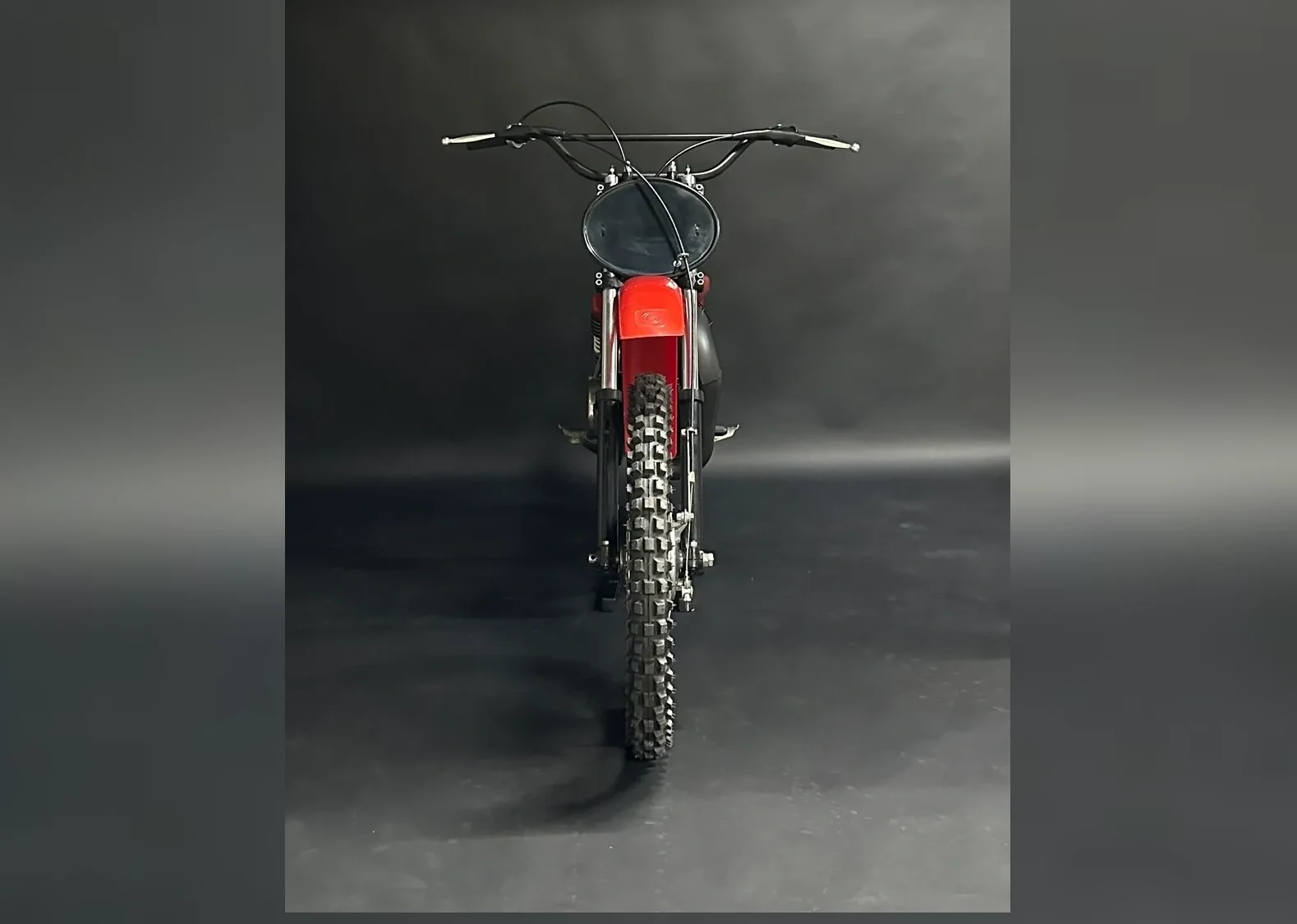
Throughout the late 1970’s and into the 1980’s CZ continued to develop works motocross bikes and compete in the European GP circuit. It appears the 1978/1979 CZ 125 MX Type 511 production bike was largely based on the 1976 CZ 125 works bike. Compared to the 1977 model, nearly every component was new and for the first time, the 125 was fitted with plastic fenders, front plate, side panels and rear (FIM compliant) number plates. The CZ logo was even embossed into the front and rear fenders. Parts carried over from the previous model were the CZ brand chain, grips, throttle assembly, lever perches, Jikov carburetor and Barum tires.
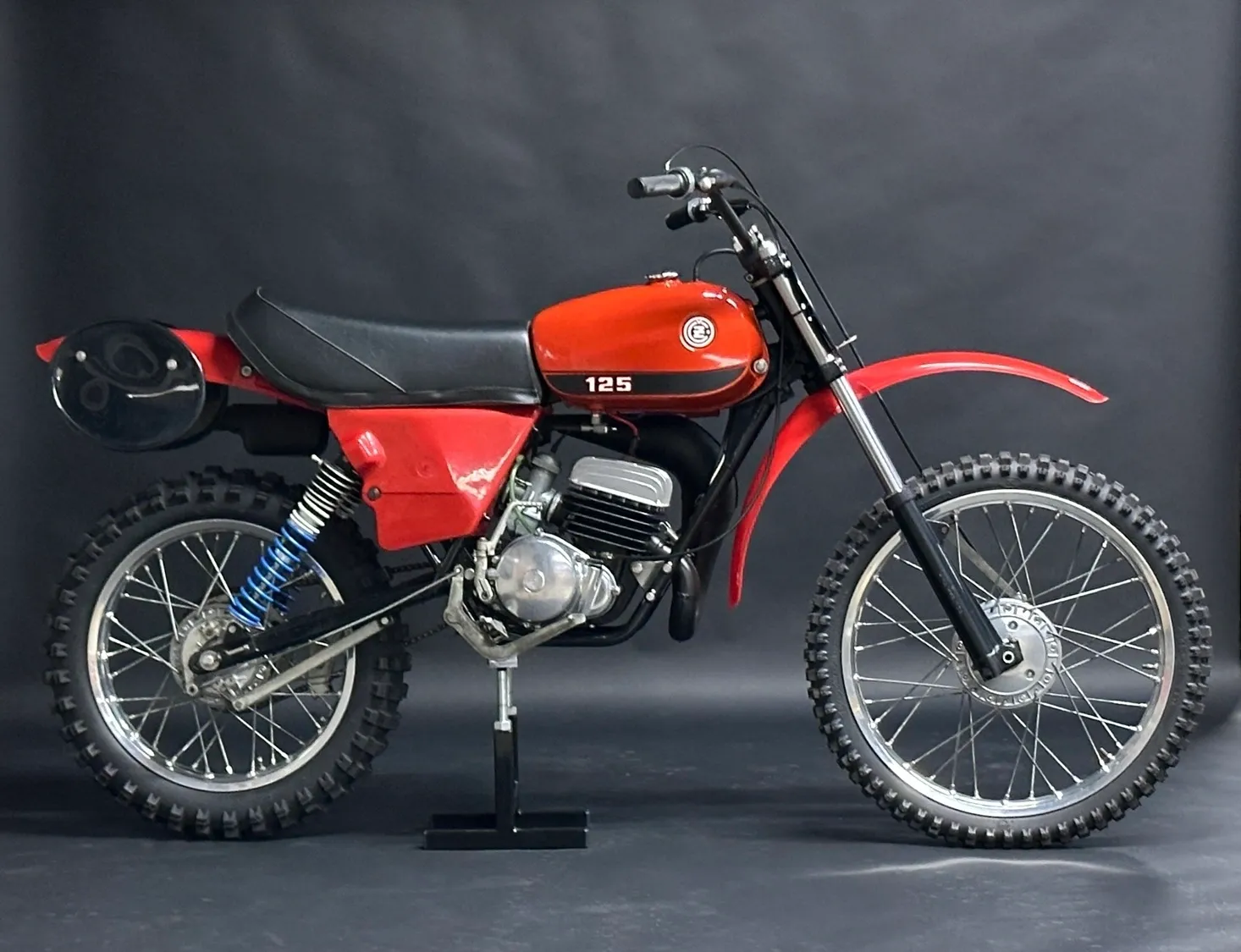
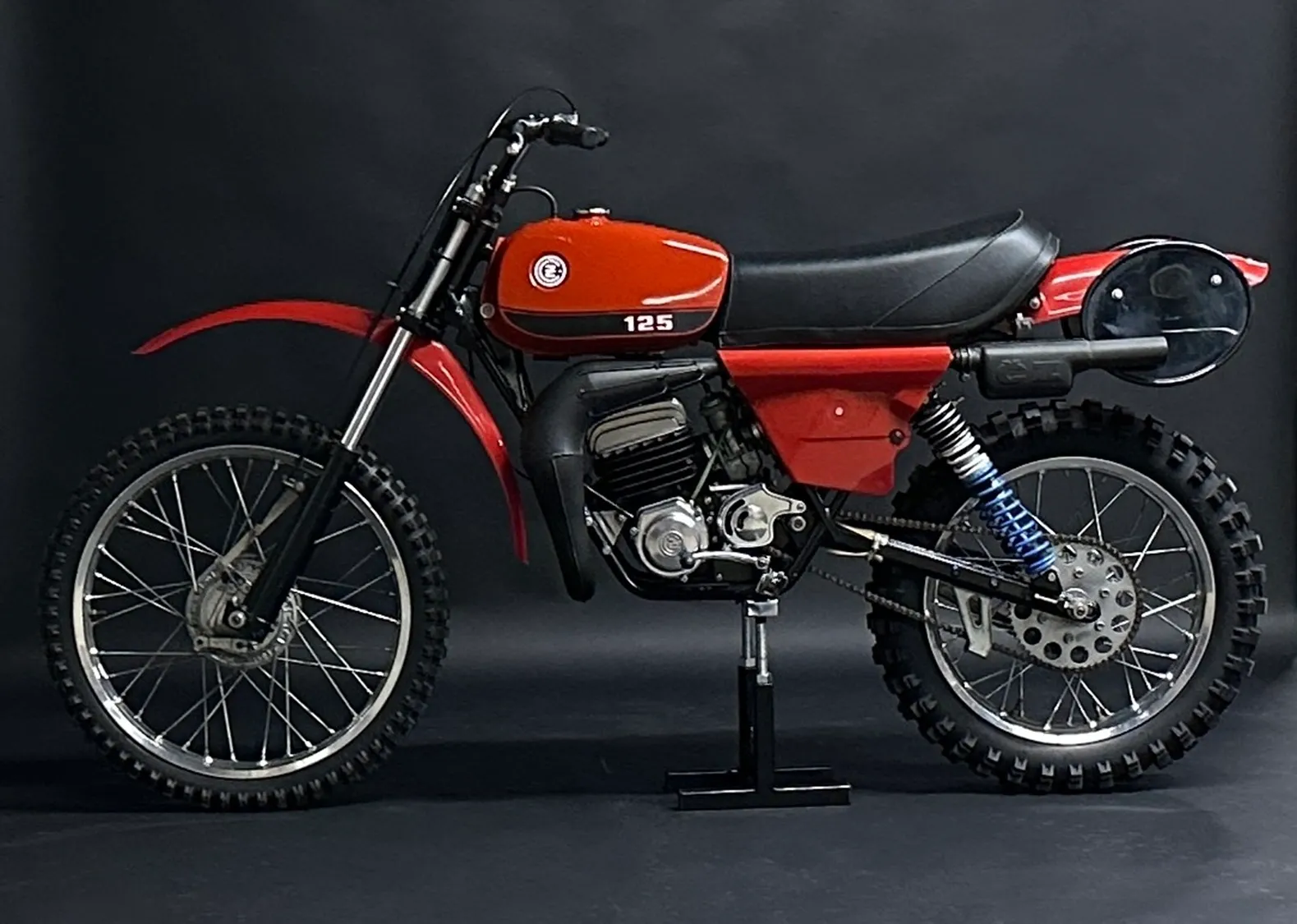
The improvements were significant, including new frame and swingarm, new motor with a 6-speed gearbox (with a declared 26 hp), Motoplat ignition, up pipe, Twin Air “style” filter and leading axle air forks. To my knowledge, there weren’t any magazine tests on this bike. The only thing similar was a feature from Czechoslovak Motor Review March 1979 (see Magazine Tests) – which was more of a press release than a test.
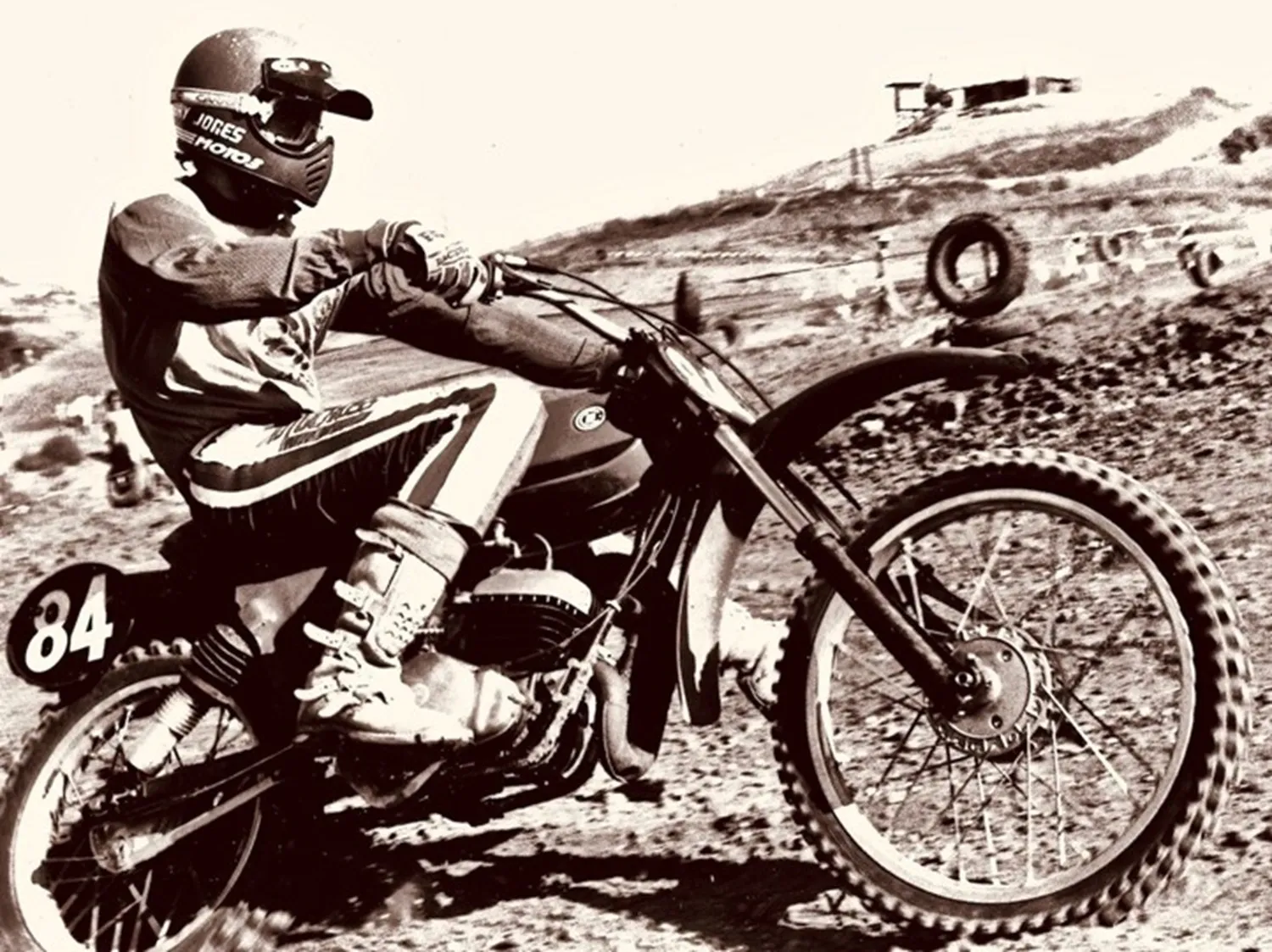
Very few of these bikes were imported into the US via American Jawa in New York. I never saw one at any time while I was racing 125’s in the 70’s and 80’s nor during the last 20 years that I’ve been collecting 125 motocross bikes. In fact, it wasn’t until recently that I saw the restored bike that was ridden by Gary Jones in the 250 Pro class at the CZ World Championship at Saddleback Park in 1981 (see image). The vast majority of these bikes were sold in Eastern Bloc countries where they were one of the only brands available.
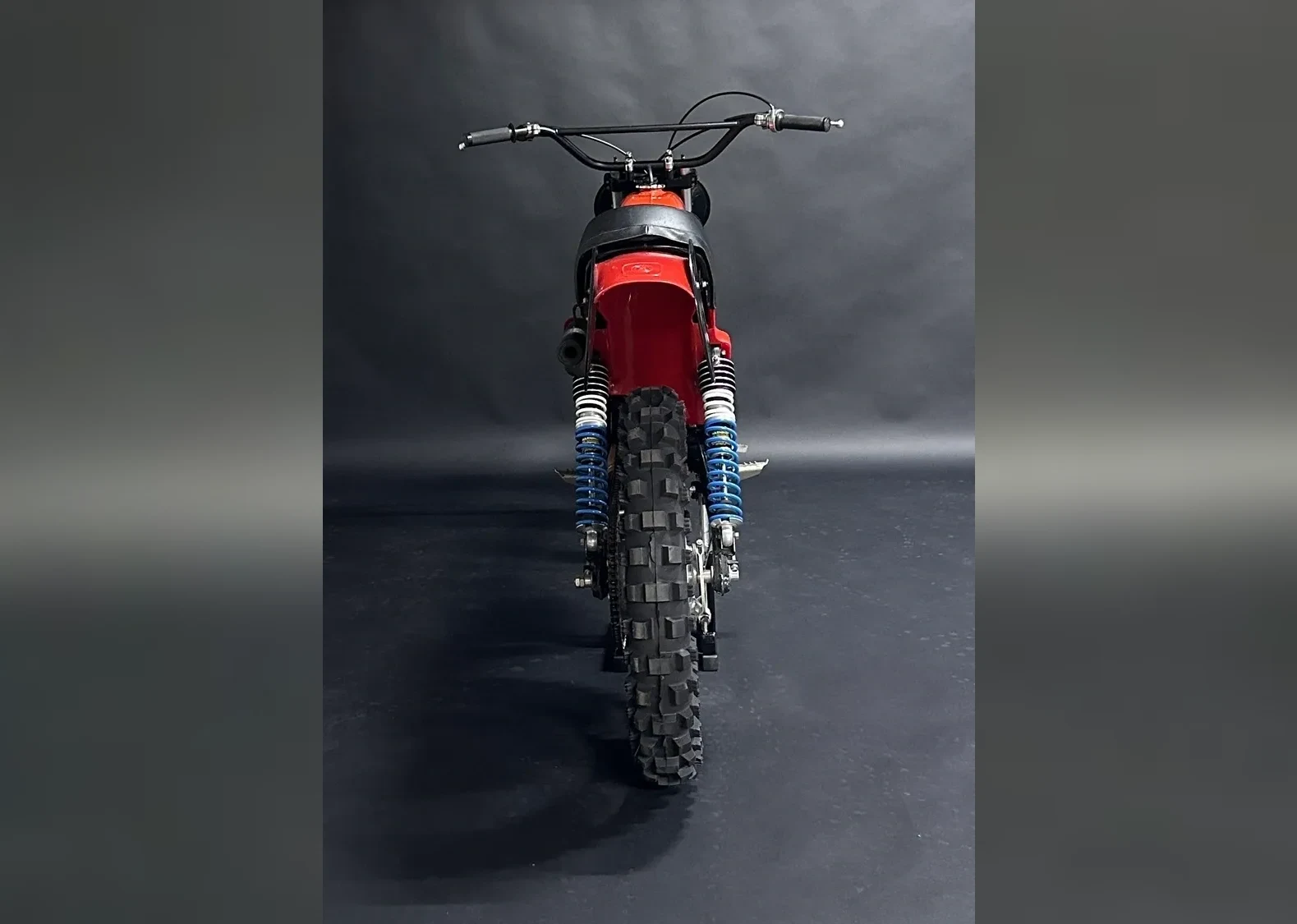
My understanding is that these bikes were exported without the CZ air shocks. The European importer in the UK mounted Girling shocks and American Jawa mounted Works Performance shocks on any bikes coming into the US. The American and European versions of the sales brochure (see Literature section) depicted the bike with the appropriate shocks.
In 1978 CZ fielded a 6-rider 125 GP team and finished 9th. To their credit, their 125 works bike was water cooled. At the time, I think the only other water cooled 125 factory bike was the Yamaha OW 125.
The next 125 MX production model CZ would release would be the Type 516 in 1983 with very minor improvements including a radial head, improved Marzocchi like forks and remote reservoir shocks. CZ reappeared 9-years later with the 1992 CZ 125 MX and had it not been for the test in Motocross Action magazine, no one would have known about it. In their words, “the craftsmanship was stone age.”
By now the competition featured Pro-Link, Full-Floater, Uni-Track and Mono-shock rear suspension and water-cooled engines. It probably shouldn’t come as a surprise that once nationalized (a nice term for absconded by the government), it would be difficult for CZ to compete with private companies out of capitalist Japan who were quickly developing technologically advanced and more reliable motorcycles at a lower cost. And yes, the Japanese companies were copying technology that CZ developed (e.g. expansion chambered exhausts, etc.).
Around 1993 Italian motorcycle manufacturer Cagiva acquired the motorcycle division of CZ with the expectation they would build CZ, Jawa and Cagiva motorcycles in the Czech factories. But ultimately that venture ceased in 1997 marking the end of the infamous CZ motorcycle brand.
NEW 1979 CZ 125 MX (Type 511)
This is a NOS, never ridden 1979 CZ 125 MX, the third NOS 125 CZ motocross bike in the collection.
My good friend Ron Carbaugh was at the annual Mecum motorcycle auction in Las Vegas one year when I noticed this bike. Having never seen one before, I was lucky enough to find an original sales brochure online to confirm the bike was complete and correct. If it wasn't, it would be impossible to find original parts to ever complete the bike. Thankfully Ron (an expert with decades of experience in restoring vintage motocross bikes) was there, so he could check it out thoroughly.
But one thing challenging about acquiring a bike from an auction is that often times the auctions/sellers only post a few images of the bike and a few general bullet points of information such as; “Sold with Bill of Sale”, “Not Street Legal”, “125cc engine”, etc., and rarely is any provenance listed. And if you're not present at the auction it's nearly impossible to identify any potential issues such as scratches, attempted restoration, replacement seat cover, etc.
When comparing the auction images to the original sales brochure the bike looked to be 100% correct. However, one distinguishing bike part that I noticed in the brochure but couldn't see in the auction images was the crude chain protector on the swing arm. The part was a 1/8-inch flexible strip of white Lexan plastic mounted to the swing arm with a hose clamp! Once Ron was able to confirm that the bike in fact had that unique part, I knew it was complete and correct, and we went on to win the auction.
Another aspect of buying at auction is that the sellers’ information is never disclosed and it’s the sole responsibility of the buyer to obtain any information possible. So, unless it’s stated in the listing you likely will not get to learn any provenance, even after the purchase. Consequently, I have no idea where this bike came from or how it managed to stay in showroom condition for nearly 50 years, but I'm sure glad it did.